Addiction is a complex condition that affects millions of people worldwide. It doesn’t discriminate by age, gender, income, or background. Whether it involves alcohol, drugs, nicotine, social media, gambling, or prescription medication, addiction can slowly take control of a person’s thoughts, behavior, and daily life.
Understanding addiction is the first step toward prevention and recovery. In this detailed guide, we’ll explore what addiction really is, its causes, warning signs, types, effects, and proven strategies for recovery.
What Is Addiction?
Addiction is a chronic brain disorder characterized by compulsive behavior despite harmful consequences. It changes the way the brain processes reward, motivation, and self-control.
When a person repeatedly uses a substance or engages in a behavior that triggers pleasure, the brain releases dopamine — the “feel-good” chemical. Over time, the brain starts depending on that stimulation. This leads to:
- Increased tolerance (needing more to feel the same effect)
- Cravings
- Loss of control
- Withdrawal symptoms
Addiction is not simply a lack of willpower. It is a medical and psychological condition that requires understanding and proper treatment.
Types of Addiction
Addiction can be broadly divided into two categories:
1. Substance Addiction

This involves dependence on physical substances, such as:
- Alcohol addiction
- Drug addiction (cocaine, heroin, methamphetamine)
- Prescription medication abuse
- Nicotine addiction
- Marijuana dependence
2. Behavioral Addiction
These addictions do not involve substances but behaviors that trigger dopamine release:
- Gambling addiction
- Internet addiction
- Gaming addiction
- Social media addiction
- Shopping addiction
- Porn addiction
Both types of addiction can be equally damaging and require attention.
Causes of Addiction
Addiction does not happen overnight. It develops due to a combination of biological, psychological, and environmental factors.
1. Genetic Factors
Research shows that genetics can increase the risk of addiction. If a family member struggles with addiction, the chances may be higher.
2. Mental Health Disorders
Conditions like depression, anxiety, trauma, and PTSD often contribute to substance abuse. Many individuals use substances to cope with emotional pain.
3. Peer Pressure
Especially among teenagers and young adults, peer influence can lead to experimentation and repeated use.
4. Environmental Factors
Stressful home environments, abuse, lack of supervision, and exposure to substance use increase the risk.
5. Early Use
Starting alcohol or drug use at a young age significantly increases the risk of long-term addiction.
Understanding these causes helps in both prevention and treatment.
Signs and Symptoms of Addiction
Recognizing the warning signs early can prevent serious consequences. Some common symptoms include:
Physical Symptoms
- Changes in appetite or sleep
- Bloodshot eyes
- Poor hygiene
- Sudden weight loss or gain
- Withdrawal symptoms when not using
Behavioral Symptoms
- Secretive behavior
- Loss of interest in hobbies
- Neglecting responsibilities
- Risky actions
- Financial problems
Psychological Symptoms

- Mood swings
- Irritability
- Anxiety
- Depression
- Obsession with the substance or behavior
If multiple signs are present consistently, professional help may be necessary.
Effects of Addiction
Addiction affects every area of life.
1. Physical Health
- Liver damage (alcohol abuse)
- Lung disease (smoking)
- Overdose risks
- Weakened immune system
- Heart problems
2. Mental Health
Addiction often worsens anxiety, depression, and suicidal thoughts.
3. Relationships
Trust issues, family conflicts, and social isolation are common consequences.
4. Career and Finances
Job loss, poor performance, and financial instability often follow prolonged addiction.
5. Legal Consequences
Substance abuse may lead to arrests, fines, or imprisonment.
The long-term effects can be devastating — but recovery is always possible.
How Addiction Affects the Brain
Addiction changes brain chemistry. It disrupts areas responsible for:
Repeated substance use floods the brain with dopamine. Eventually, the brain produces less dopamine naturally, making everyday activities feel less enjoyable.
This is why people with addiction continue using substances — not to feel good, but to avoid feeling bad.
Stages of Addiction
Addiction usually progresses through several stages:
- Experimentation – Occasional use out of curiosity.
- Regular Use – Increased frequency.
- Risky Use – Harmful behavior begins.
- Dependence – Tolerance and withdrawal symptoms.
- Addiction – Compulsive use despite consequences.
Early intervention during the first stages can prevent long-term damage.
How to Overcome Addiction
Recovery from addiction is possible with the right support and treatment plan.
1. Acknowledge the Problem
Acceptance is the first and most important step.
2. Seek Professional Help
Treatment options include:
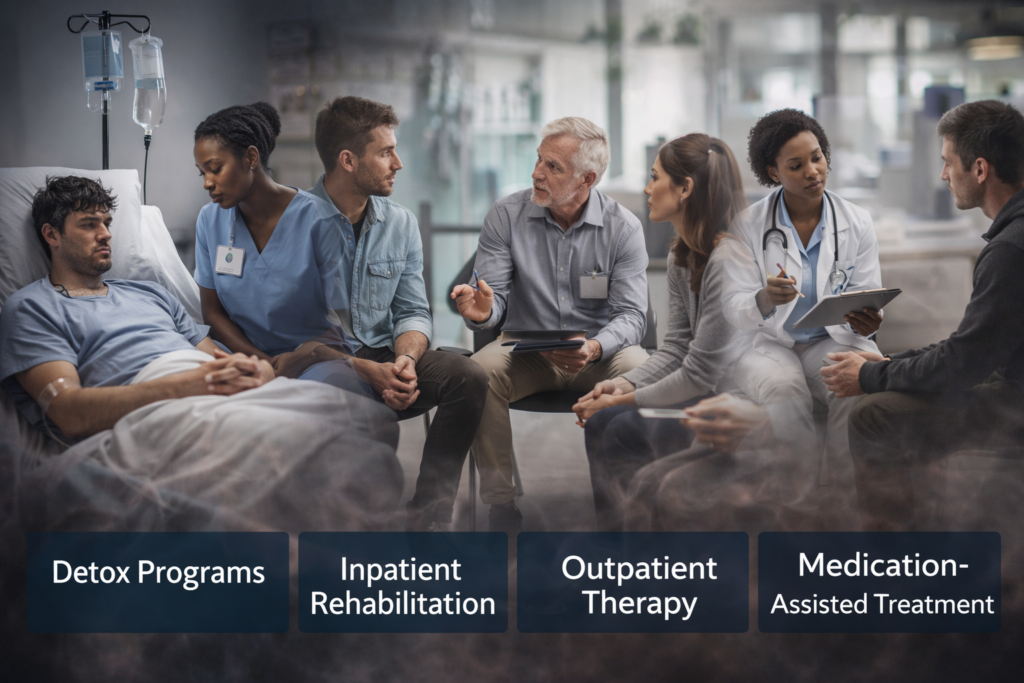
3. Therapy and Counseling
Cognitive Behavioral Therapy (CBT) helps individuals:
- Identify triggers
- Change negative thought patterns
- Develop coping strategies
4. Support Groups
Community-based programs provide emotional support and accountability.
5. Lifestyle Changes
Healthy habits can support recovery:
6. Avoid Triggers
Identifying and avoiding people, places, or emotions that trigger cravings is essential.
Preventing Addiction
Prevention is always better than treatment. Steps to reduce addiction risk include:
- Open communication in families
- Education about substance abuse
- Healthy coping mechanisms
- Monitoring mental health
- Encouraging positive hobbies and activities
For parents, being involved and observant can make a significant difference.
Breaking the Stigma Around Addiction
Many people hesitate to seek help because of shame or social judgment. Addiction should be treated like any other medical condition — without stigma.
Support, understanding, and compassion play a crucial role in recovery. Encouraging open conversations can save lives.
When to Seek Immediate Help
Immediate medical attention is needed if someone experiences:
- Overdose symptoms
- Severe withdrawal
- Suicidal thoughts
- Loss of consciousness
Early medical intervention can prevent life-threatening consequences.
The Road to Recovery
Recovery is not a straight line. Relapses may happen, but they do not mean failure. Every step forward matters.
Long-term recovery requires:
- Consistency
- Patience
- Support systems
- Professional guidance
- Self-forgiveness
Many individuals successfully rebuild their lives after addiction. With proper treatment and determination, healing is possible.
Conclusion
Addiction is a serious but treatable condition that affects both the brain and behavior. Understanding its causes, symptoms, and effects is essential for prevention and recovery.
Whether it involves alcohol, drugs, or behavioral habits, addiction can impact every aspect of life — but it does not define a person. With the right support, professional treatment, and personal commitment, recovery is achievable.
If you or someone you know is struggling with addiction, seeking help today can be the first step toward a healthier and brighter future.