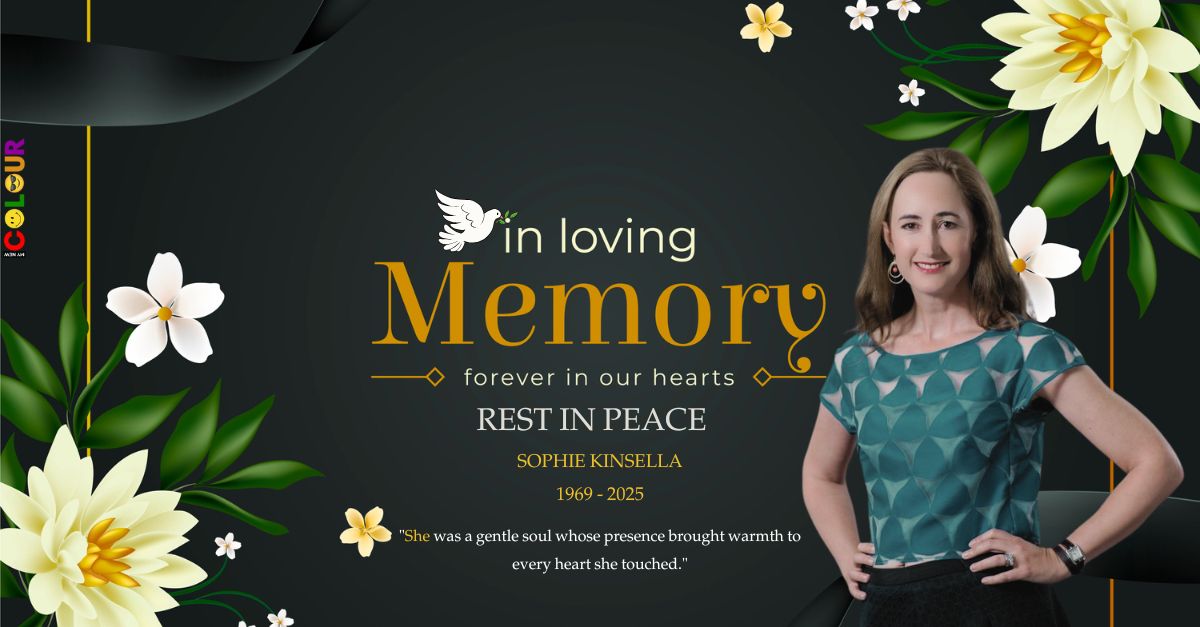
The world woke up to heartbreaking news this morning. Sophie Kinsella, the brilliant author behind the beloved Shopaholic series, died peacefully at age 55. Her family announced her passing on social media, and within hours, the search “Sophie Kinsella cause of death” was trending worldwide as millions of fans tried to process the loss.
The Reality of Her Diagnosis
Sophie Kinsella was diagnosed with glioblastoma in late 2022, but she kept this news private until April 2024. Her real name was Madeleine Sophie Wickham, and she made the difficult choice to delay sharing her diagnosis publicly because she wanted to give her five children time to process the news and adjust to what she called their “new normal.”
When she finally opened up about her condition in April 2024, she wrote on social media: “I did not share this before because I wanted to make sure that my children were able to hear and process the news in privacy.” That’s the kind of person she was – thinking about protecting others even while facing her own mortality.
What Is Glioblastoma?
Glioblastoma is one of the most aggressive brain tumors among adults, with only 25% of patients living longer than a year after diagnosis and just 5% surviving more than five years. These aren’t easy numbers to read, but they help us understand what Sophie and her family were facing.
Sophie underwent surgery, chemotherapy, and radiotherapy at University College Hospital in London. She described her eight-hour emergency surgery as a “triumph,” but the treatment affected her significantly. In an interview with Good Morning America in July 2024, she shared that her first symptoms were stumbling legs, severe headaches, confusion, and eventually tipping over in her chair.
After waking up from brain surgery, she couldn’t walk, couldn’t write her name, couldn’t balance, and couldn’t turn her head. Imagine being a writer – someone whose entire life revolves around words – and suddenly not being able to write your own name. That’s the brutal reality of what this disease does.
Her Final Gift to Readers
Even while battling cancer, Sophie continued doing what she loved most: writing. Her final novella, “What Does It Feel Like?” published in October 2024, was a semi-fictional account of her cancer diagnosis. The story follows a novelist named Eve who wakes up in a hospital bed and learns she has a brain tumor.
In the book’s introduction, Sophie wrote: “I have always processed my life through writing. Hiding behind my fictional characters, I have always turned my own life into a narrative. It is my version of therapy, maybe”.
She wrote this book while lying down, unable to sit at a desk as she had for all her previous novels. She kept a notebook beside her bed throughout her ordeal because she knew this was something she needed to share. In her interview with Robin Roberts, she explained: “I just thought people might be curious to know what it feels like to go through this. It’s funny in parts, it’s sad in parts, but I hope it’s full of optimism and love most of all.”
The Legacy She Leaves Behind
Sophie Kinsella wrote 28 books, including 10 Shopaholic novels, one young adult novel, and four children’s books, selling more than 45 million copies worldwide. Her books have been translated into dozens of languages. The first two Shopaholic books became the basis for the 2009 film “Confessions of a Shopaholic” starring Isla Fisher.
But numbers don’t tell the whole story. What made Sophie’s writing special was how she made millions of women feel seen and understood. Her protagonists weren’t perfect. They made mistakes, had flaws, and struggled with real problems. And that’s exactly why readers loved them.
Her agents at The Soho Agency said, “Her readers, and we include ourselves in that, felt seen and understood by her protagonists and their stories. We have lost count of the number of fans we met at events and in signing lines who wanted her to know that her books had helped them through some of the hardest moments of their lives”.
Her Courage in the Face of Cancer
Since her diagnosis, Sophie became a High Profile Supporter of The Brain Tumour Charity, working to raise awareness that brain tumors are the leading cancer killer of people under 40. She appeared on Good Morning America to tell her story, supported campaigns for a National Brain Tumour Strategy, and even created “A Heady Mix” in 2025, a concert celebrating music and literature to raise awareness for brain tumor research.
Her family’s statement captured her spirit perfectly: “Despite her illness, which she bore with unimaginable courage, Sophie counted herself truly blessed – to have such wonderful family and friends, and to have had the extraordinary success of her writing career. She took nothing for granted and was forever grateful for the love she received”.
Her Final Days
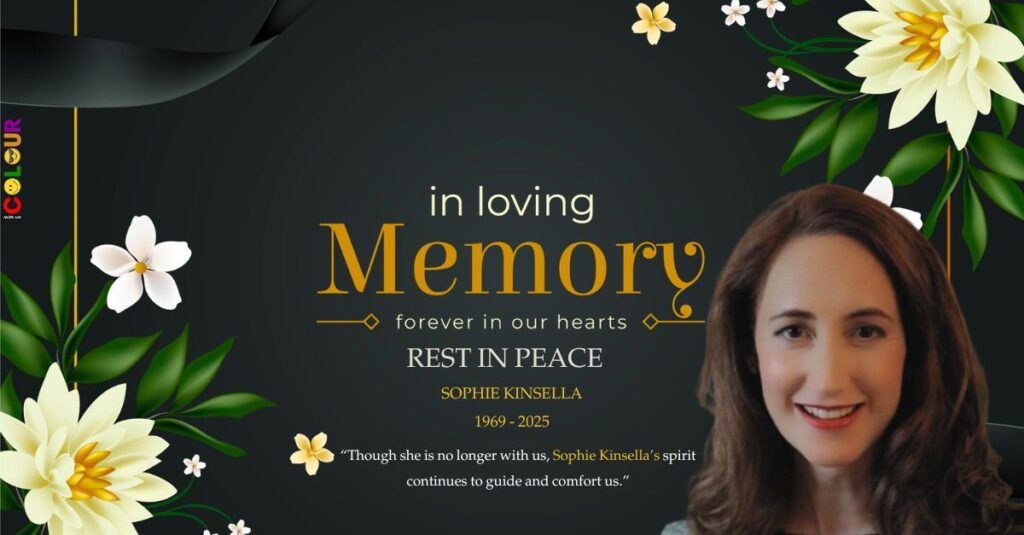
The family announced, “She died peacefully, with her final days filled with her true loves: family and music and warmth and Christmas, and joy. We can’t imagine what life will be like without her radiance and love of life.”
She is survived by her husband, Henry Wickham, whom she married in 1991, and their five children. The fact that she died during the Christmas season, surrounded by the things she loved most, offers some small comfort to those mourning her loss.
Understanding Why This Matters
Sophie Kinsella’s death from glioblastoma isn’t just about losing a beloved author. It’s a reminder that brain cancer remains one of the most challenging diagnoses in medicine. It’s about a woman who faced her mortality with grace, continued working despite devastating symptoms, and used her platform to raise awareness about a disease that kills thousands every year.
The reason “Sophie Kinsella’s cause of death” trended today isn’t morbid curiosity. It’s because millions of readers around the world felt connected to her through her books. They’re trying to understand what happened to someone who brought them joy, made them laugh, and helped them through difficult times.
Glioblastoma doesn’t discriminate. It affects both young and old, as well as famous and unknown individuals. The stark survival statistics remind us that we still have a long way to go in fighting this disease. Sophie’s advocacy work, her willingness to share her story, and her final book all contribute to greater awareness and understanding.
Her Message Lives On
In her April 2024 announcement, Sophie wrote something that resonates even more today: “To everyone who is suffering from cancer in any form, I send love and best wishes, as well as to those who support them. It can feel very lonely and scary to have a tough diagnosis, and the support and care of those around you means more than words can say.”
That was Sophie Kinsella. Even while facing her own battle, she was thinking about others and dealing with memory loss and fatigue, she was writing to help people understand what living with brain cancer feels like. Even knowing her time was limited, she continued to raise awareness to help future patients.
Today, readers worldwide are sharing their favorite Shopaholic quotes, remembering how Becky Bloomwood made them laugh, and thanking Sophie for the joy she brought into their lives. That’s the real legacy – not just the millions of books sold, but the millions of lives touched by her words, her humor, and her remarkable courage in the face of an unimaginable diagnosis.
Rest in peace, Sophie Kinsella. Thank you for sharing your gift with the world, right up until the very end.