The internet has changed the way we learn, connect, and communicate. But along with the benefits, there is also a dark side that keeps growing every year — online child exploitation and child pornography, now more commonly called Child Sexual Abuse Material (CSAM).
This is not just a legal issue anymore. It is a social, psychological, and digital safety crisis affecting children worldwide. From social media apps to gaming chats and AI-generated content, predators are finding new ways to target minors online.
Parents, schools, tech companies, and governments are now under pressure to act faster than ever before.
The Growing Problem of Online Child Exploitation
Most people think child pornography exists only on hidden websites. The reality is different. Today, harmful content can spread through messaging apps, cloud storage, gaming platforms, and even private groups on social media.
According to recent global studies, around 1 in 12 children worldwide have experienced some form of online sexual exploitation or abuse.
That number is alarming.
Cybercrime experts say offenders are now using:
- Encrypted messaging apps
- Fake social media profiles
- AI-generated images
- Online gaming communities
- Deepfake technology
- Anonymous dark web platforms
The rise of AI has made the situation even more dangerous. Reports from the Internet Watch Foundation showed a massive increase in AI-generated child abuse material in recent years.
This means criminals are not only sharing illegal material but also creating new fake content using artificial intelligence.
Why This Issue Is Getting Worse
The biggest reason is easy internet access.
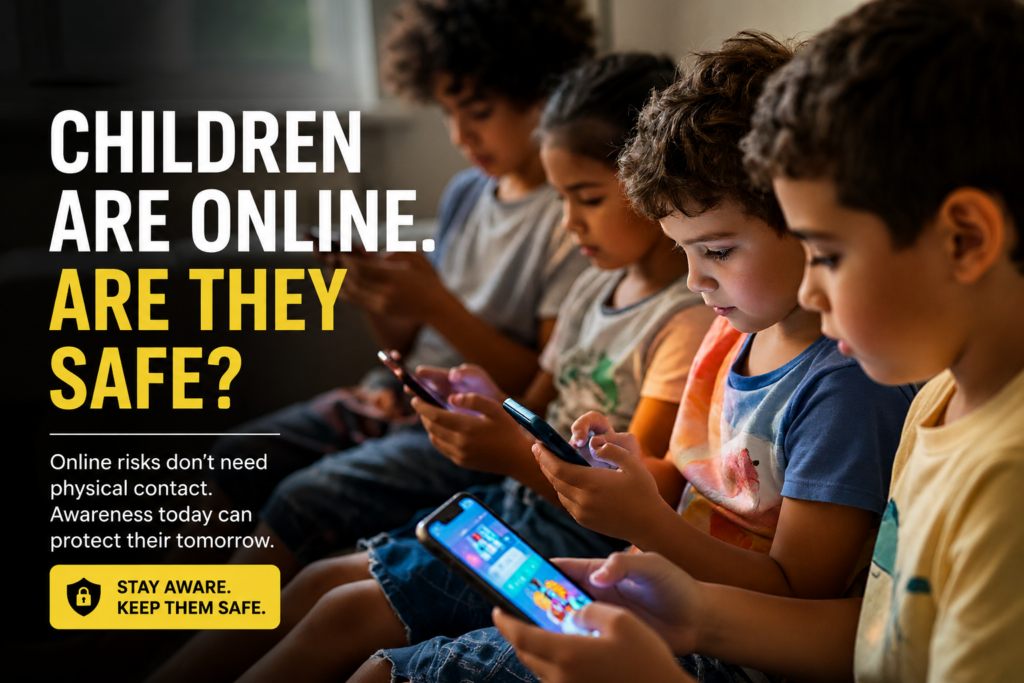
Children today use smartphones from a very young age. They spend hours on video apps, online games, and social media platforms. Many parents still believe their children are safe at home. But online risks do not need physical contact.
Predators often start with simple conversations.
They may pretend to be:
This process is called online grooming.
Once trust is built, they manipulate children into sharing private photos or videos. Sometimes they use threats, emotional pressure, or blackmail. In many cases, victims feel too scared to tell anyone.
Experts also report a rise in “sextortion,” where criminals threaten to leak private content unless victims send more material or money.
Real Data Shows the Crisis Is Serious
Governments and child safety organizations across the world are seeing rapid growth in cyber exploitation cases.
In 2025, reports related to online child sexual exploitation sharply increased in several countries.
A report by the United Nations stated that nearly 80% of children in surveyed countries felt at risk of online sexual abuse or exploitation.
Another study found that AI-generated exploitation content is becoming harder to detect because the images look increasingly realistic.
This creates major challenges for law enforcement agencies.
The Mental and Emotional Damage to Victims
The impact on children is long-term.
Victims often suffer from:
Even worse, once harmful material is uploaded online, it can continue spreading for years. Victims may live with the fear that strangers are still viewing or sharing their abuse.
That emotional pressure can affect education, relationships, and mental health throughout life.
This is why child protection experts say online exploitation should be treated as a serious public safety issue, not just a cybercrime.
How Parents Can Protect Their Children Online
The good news is that awareness can make a big difference.
Parents do not need to become cybersecurity experts. Simple daily habits can significantly reduce risks.
1. Talk Openly About Internet Safety
Children should know they can speak honestly without fear of punishment.
2. Monitor Apps and Privacy Settings
Check who your child talks to online and review app permissions regularly.
3. Teach Children About Fake Profiles
Many predators hide behind fake identities and edited pictures.
4. Limit Private Sharing
Kids should understand that private images should never be shared online.
5. Use Parental Control Tools
Screen monitoring and content filters can help block harmful websites.
6. Watch for Behavioral Changes
Sudden silence, fear, anxiety, or secretive phone use may signal online manipulation.
The Role of Tech Companies
Social media platforms and tech companies are now facing global pressure to improve child safety systems.
Experts believe companies should:
- Improve AI detection tools
- Remove harmful content faster
- Verify suspicious accounts
- Strengthen reporting systems
- Increase child safety moderation teams
Several governments are also introducing stricter laws around AI-generated abuse material and online safety compliance.
But many child safety groups argue that current actions are still not enough.
Why Awareness Matters More Than Ever
Every parent, teacher, student, and internet user should understand the risks.
Awareness creates prevention.
The more people talk openly about online safety, digital privacy, grooming, and cyber exploitation, the harder it becomes for offenders to operate in silence.
Protecting children online is not only the responsibility of the police or governments. It is something society must work on together.